
of the world's edible mushrooms grow in one country. [9]
Protected biology
The biomass behind the brands.
Kalu Agritech grows high-quality biomass from microalgae, mushrooms, saffron and botanicals for the companies that turn it into ingredients, supplements and medical precursors. We sell to companies, never to consumers, so we never compete with our customers.
Where raw material comes from today
Much of the world's supply sits in a few places.
One drought, one border closure or one new tariff moves the price for every buyer. We add a second source: controlled, close to the buyer and the same in every batch.
of the world's saffron grows in one country. [10]
retail spirulina products in a 2023 study contained microcystins. The authors point to open-pond production. [5]
Controlled supply · interactive illustration
One week of weather, two ways to grow.
- Swing this week
- 14 °C
- Days outside the target band
- 5 of 7
- What reaches the culture
- Heat, rain, pests
An illustration of the idea, not measured data. The shaded band is the range a culture needs.
Applications
Four applications. One standard.
 GreenSphere
Microalgae
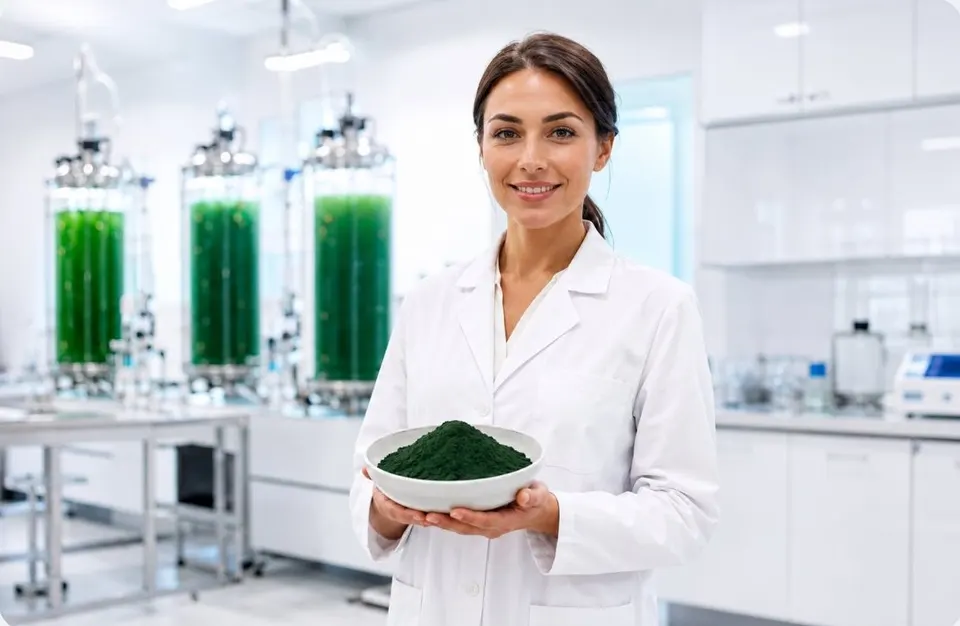
Spirulina and chlorella biomass and extracts from closed bioreactors.
View microalgae ›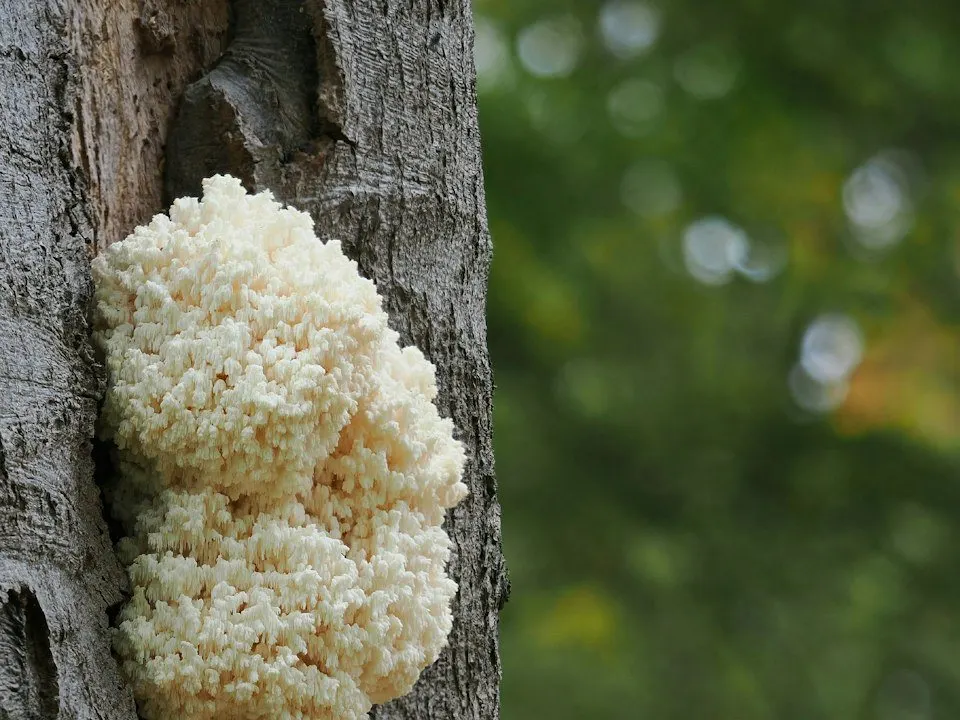 Controlled rooms
Mushrooms
Lion's mane and other species, grown on trays in controlled rooms.
View mushrooms ›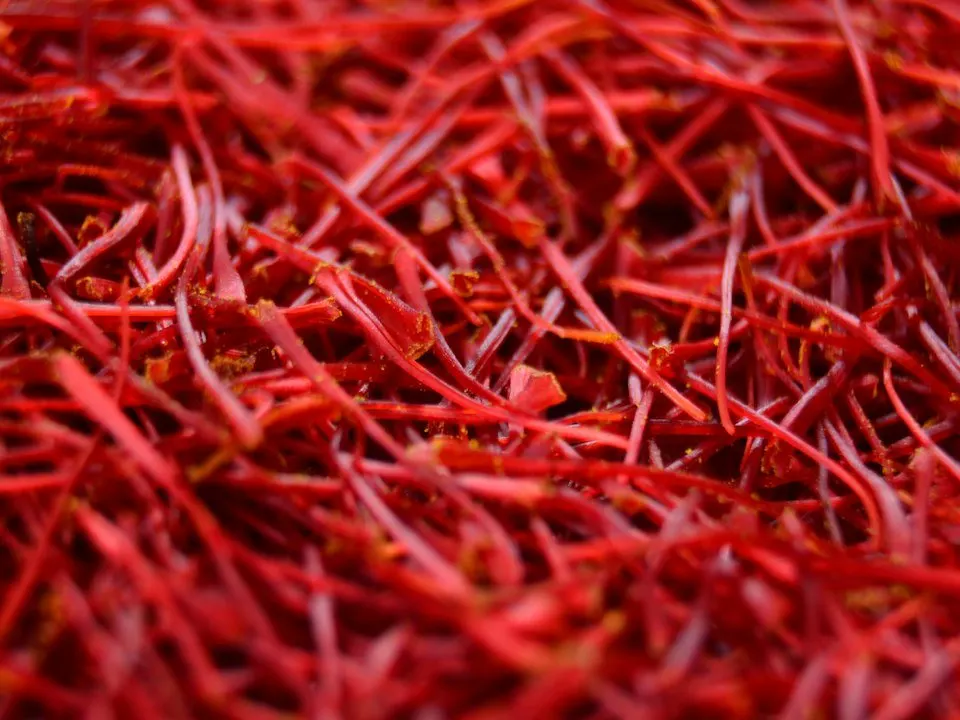 Tiered racks
Saffron
Grown indoors, on tiered racks, under conditions we set.
View saffron › GrowBlock and benches
Botanicals
Marigold, centella and catharanthus, grown for their actives.
View botanicals ›Biostimulants made from chlorella are also in production. Ask us about them.
The platform
Our own systems, from the enclosure to the software.
Three connected layers keep the biology protected and every batch on the record.
- 01
GreenSphere
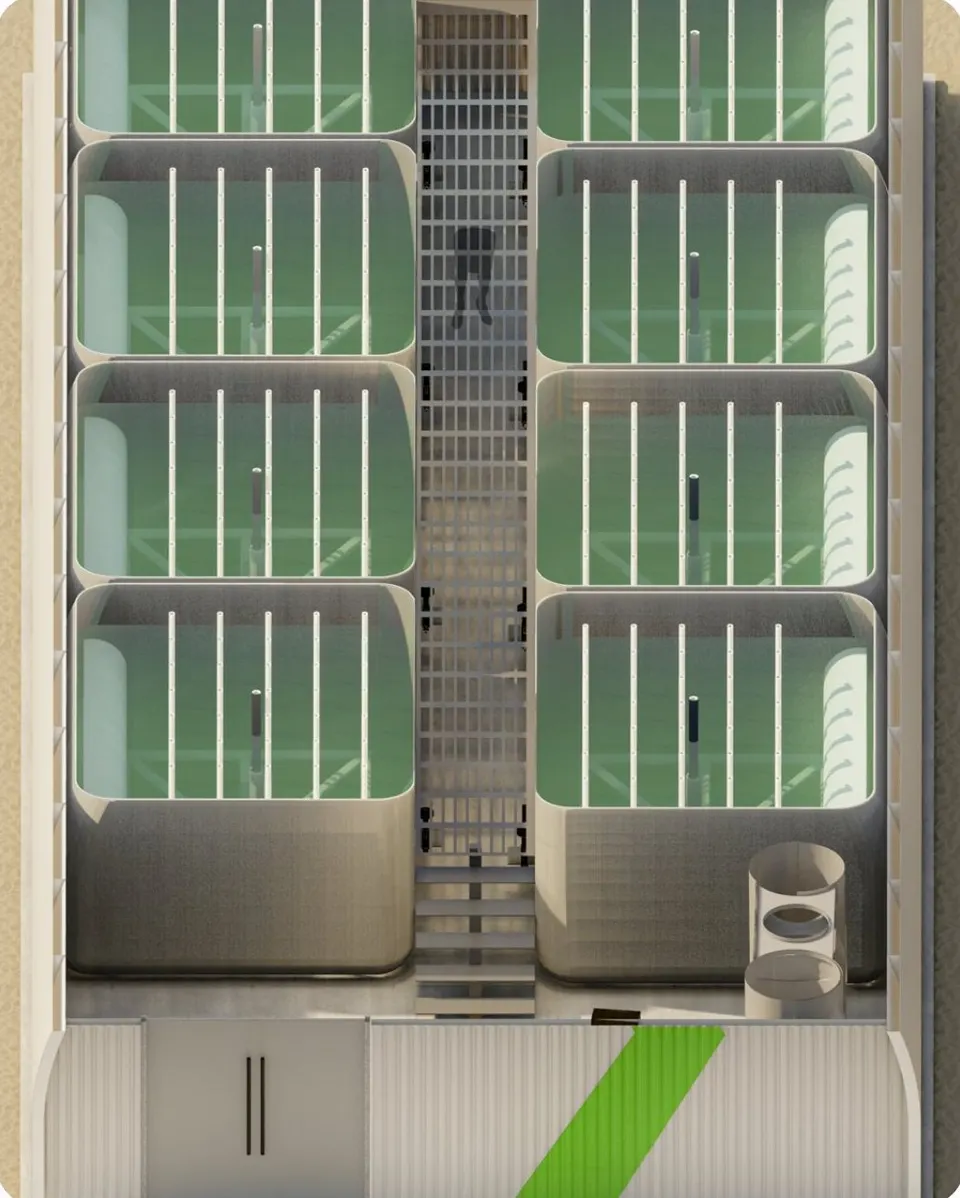
Closed bioreactors for microalgae.
- 02
GreenShelter
Technological greenhouse enclosures, fitted with growing systems we adapt to each species, GrowBlock among them. Botanicals, mushrooms and saffron each get the conditions they need.
- 03
CoFarmer
Runs and records every batch. Its Trust Suite tracks each lot of biomass from source to delivery.
The platform at work
From smoke to biomass.
In Oman, GreenSphere will sit beside a waste-to-energy plant. The CO₂ from its stacks feeds the microalgae instead of the sky. Drag the handle to compare.

 BeforeAfter
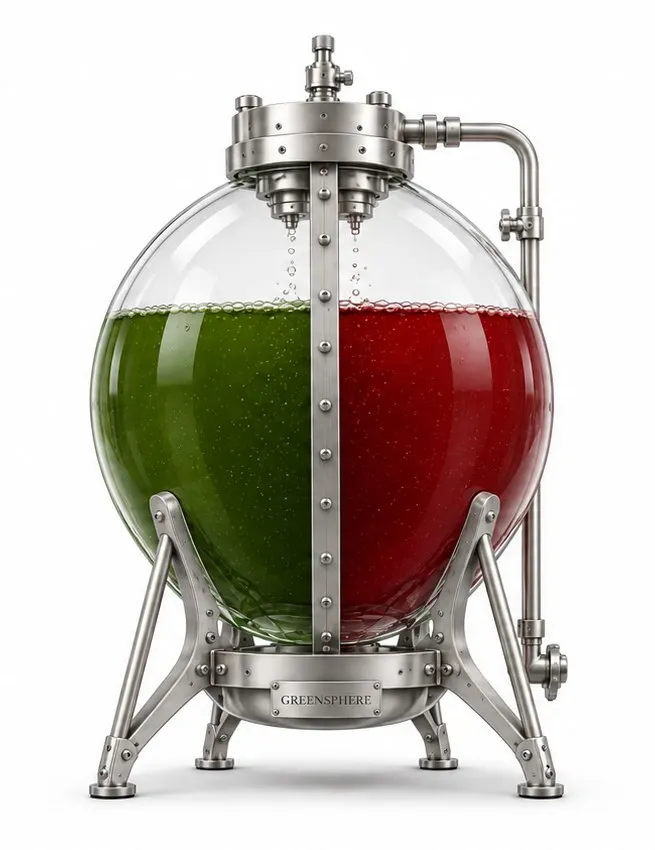
Inside a GreenSphere
Five things we hold steady.
A GreenSphere is a closed photobioreactor. CoFarmer keeps five conditions in range for the whole batch. Tap a point on the drawing.
Light
An LED array gives each strain the light intensity it needs, on a set day and night cycle.
Every reading goes into the batch record, with strain origin, dates, processing method and compound profile.
GreenSphere in numbers
GreenSphere, the bioreactor.
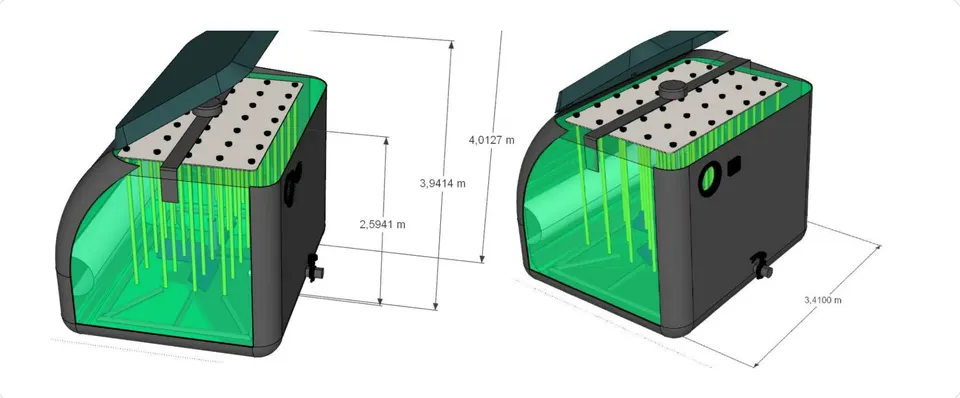
18,500 Lin every GreenSphere module
16 haof open raceway ponds, matched by one six-bioreactor unit
How we work with you
From specification to delivery.
Step 01
You set the specification.
Species, form, volume and start date.
Species, form, volume and start date.
You test them in your own lab.
A system sized to your volume, for you alone.
CoFarmer Trust Suite follows each lot of biomass from source to delivery.
Lot
SP-0418
Spirulina biomass · GreenSphere module 3
Batch day6of 10
- Temperature
- 31.2 °C
- pH
- 9.8
- Conditions
- In range
- Specified
- Sampled
- Reserved
- Tracked
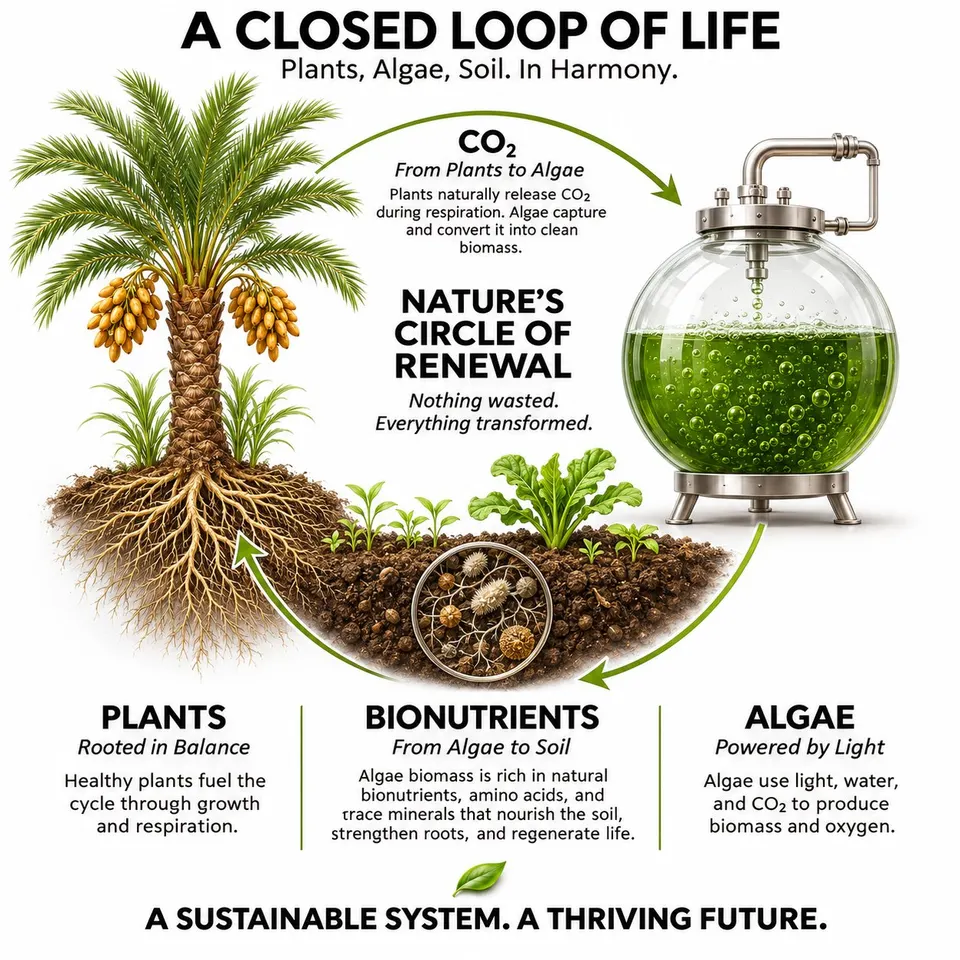
Closed loop
Nothing leaves the loop.
Our systems feed each other. What one step gives off, the next one uses.
Carbon dioxide from plants and nearby industry feeds the microalgae.
In light, the algae turn water and CO₂ into biomass and oxygen.
The biomass becomes ingredients, extracts and biostimulants.
What is left becomes soil amendments for plants.
Treated water goes back to the bioreactors.
What our systems produce
High-quality biomass and extracts.
What each product is, why we grow it, and where it goes.
GreenSphere
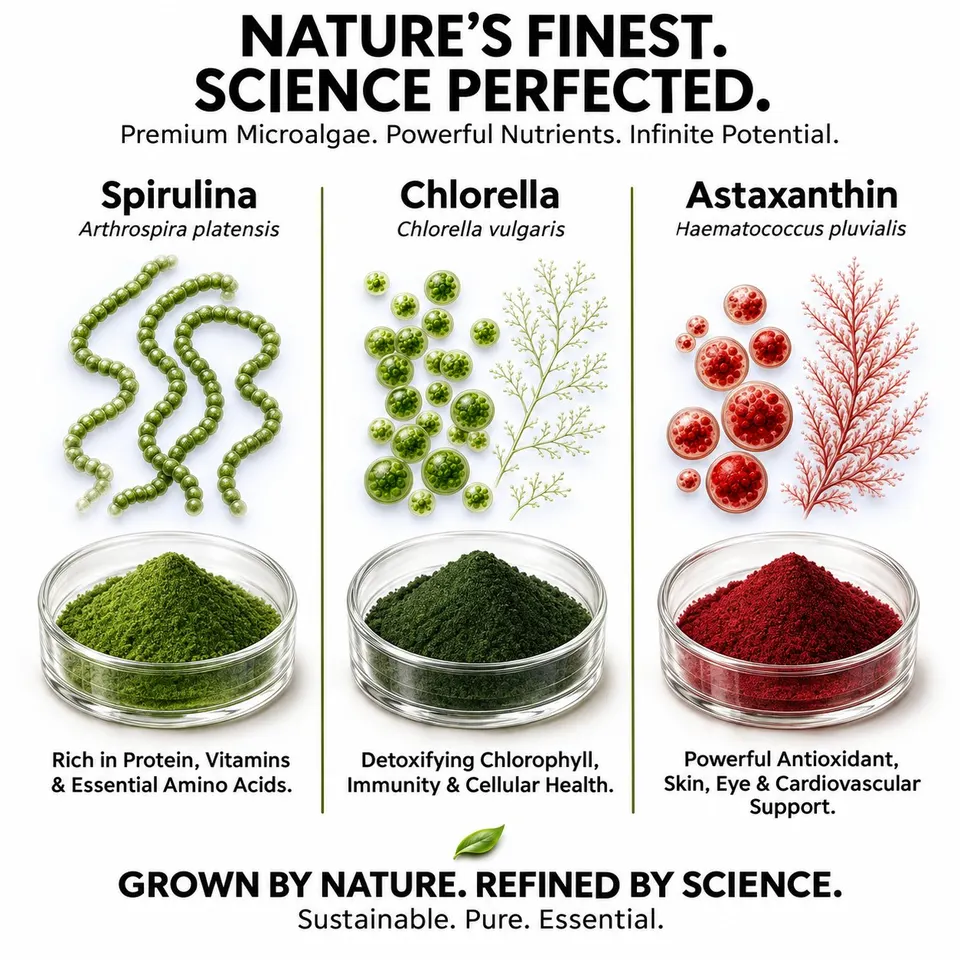
Spirulina
Arthrospira platensis
- Function
- Blue-green microalga. About 60 to 70% protein by dry weight, and rich in phycocyanin, a natural blue pigment.
- Purpose
- Plant protein and natural blue colour, grown clean in a closed bioreactor.
- Used for
- Protein powders, supplements, functional drinks and spirulina-blue food colour.
GreenSphere
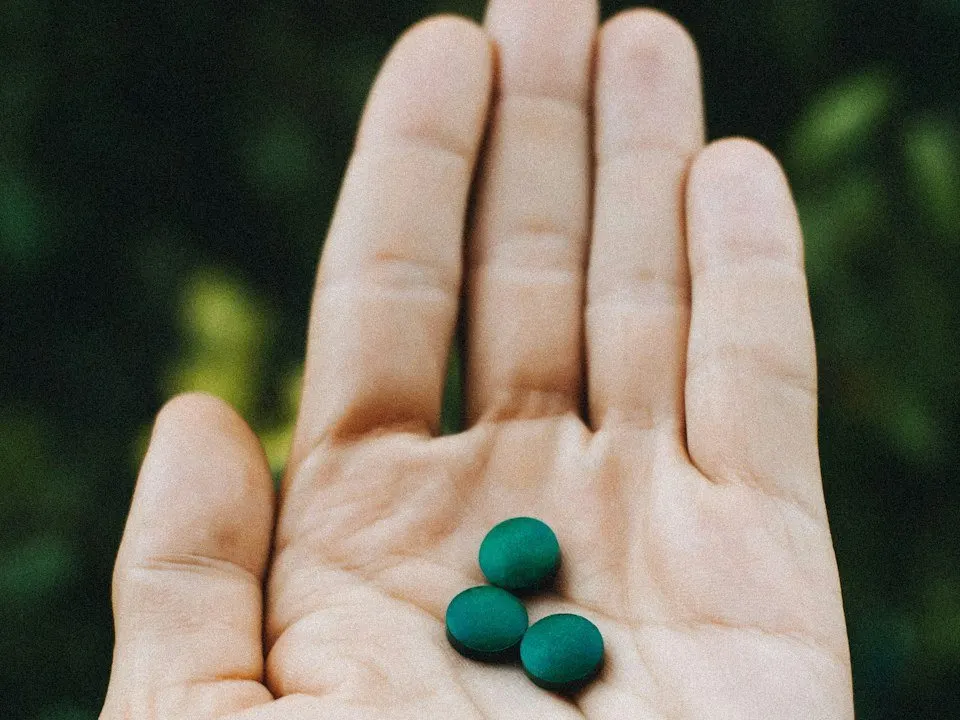
Chlorella
Chlorella vulgaris
- Function
- Single-cell green microalga, rich in chlorophyll and protein.
- Purpose
- Whole-cell biomass for nutrition, and the raw material for our biostimulants.
- Used for
- Tablets and powders, food ingredients, and biostimulants.
GreenShelter
Marigold
Tagetes erecta
- Function
- Petals rich in lutein and zeaxanthin, yellow-orange carotenoids.
- Purpose
- Grown for lutein extraction, with a steady pigment content batch to batch.
- Used for
- Lutein supplements, natural yellow-orange food colour, and feed pigment.
GreenShelter
Lion's mane
Hericium erinaceus
- Function
- Edible mushroom that carries hericenones and erinacines.
- Purpose
- Fruiting bodies and extracts for nutraceuticals, grown clean indoors.
- Used for
- Mushroom supplements and powders, functional food, and gourmet cooking.
GreenShelter
Saffron
Crocus sativus
- Function
- Dried flower stigmas that hold crocin, picrocrocin and safranal: colour, taste and aroma.
- Purpose
- The world's most valuable spice, grown under controlled conditions all year.
- Used for
- Cooking, natural colour, nutraceutical extracts and cosmetics.
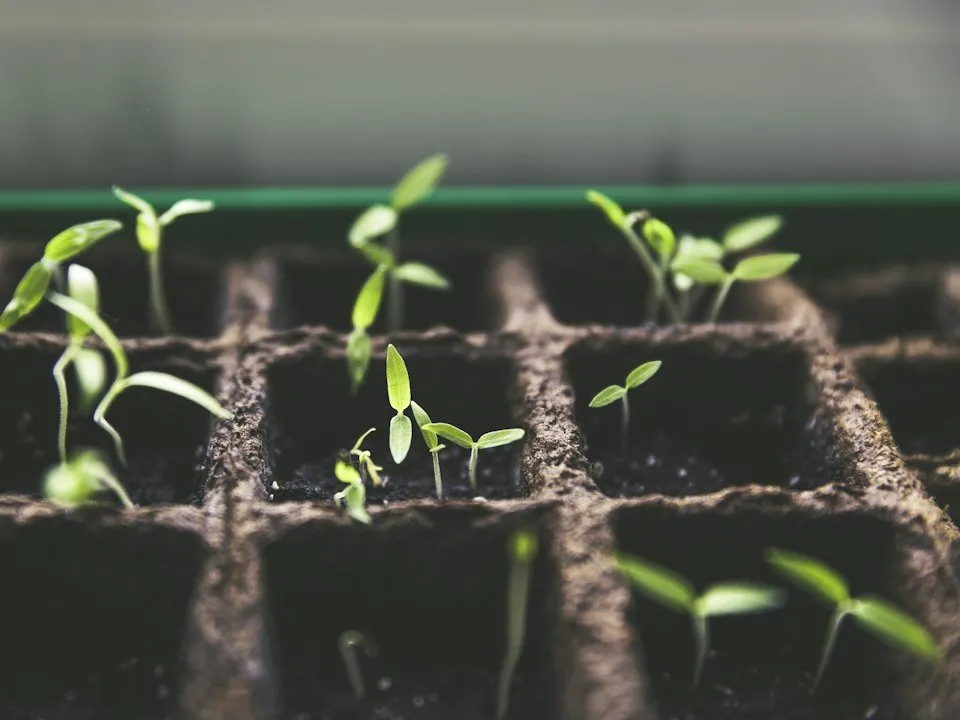
From chlorella
Biostimulants
Chlorella-based
- Function
- Chlorella extracts with amino acids, polysaccharides and natural plant hormones.
- Purpose
- Help plants take up nutrients, root better and cope with heat and drought.
- Used for
- Foliar sprays and soil treatments for farms, greenhouses and nurseries.
Microalgae in detail
Four microalgae lines, one record each.
Spirulina
Arthrospira platensis
- Known for
- About 60 to 70% protein by dry weight, and phycocyanin, the pigment behind natural spirulina blue.
- Goes into
- Functional food and beverage, natural colour, nutraceuticals.
- On the record
- Strain origin, growth conditions, dates, processing method, compound profile.
Industries
Built for the companies that buy biology.
Projects
Where we work.
- Spain
Our office in Madrid.
- Kuwait
In development: a facility for botanicals and mushrooms.
- Oman
Coming 2027: a waste-to-energy facility growing high-quality microalgae biomass.
Invest in a project, not a promise.
Each Kalu project has its own plan, terms and buyers.
Our offices
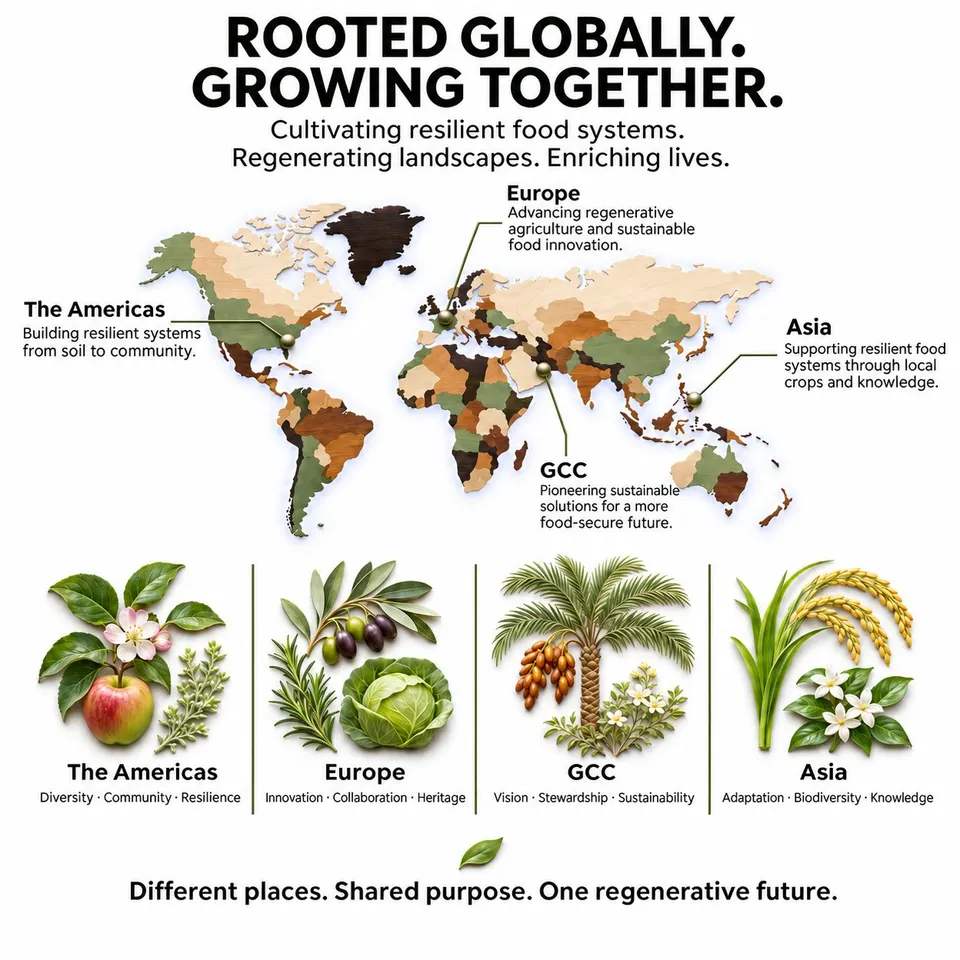
Rooted globally. Growing together.
Europe
Headquarters, research partners and our first systems.
Gran Vía 50, 3 derecha, 28013 Madrid, Spain+34 91 961 0499
The Americas
Partner projects and university research in Latin America and Canada.
95 Merrick Way, Coral Gables, Florida, USA+1 (800) 793-1910
Australasia: coming soon.

The name
Why Kalu.
In Guna tradition, kalu means a fortress or a wall, a place that guards the order of life. [7] We took the name because our systems do the same for what grows inside them. The Guna artist Kantule drew the mola artwork in our logo.
Original artwork by Kantule.
“All of them are guardians of the order of God. They are very necessary. If there were no Kalu, we would not be here.”
One name
Kalu Agritech has been our legal name from the start. Vertical Green Farming was our commercial name. The team, the systems and the contracts stay the same. The company is led by its co-founders, Tabatha Siu-Taminez and Carlos Taminez.
Our story
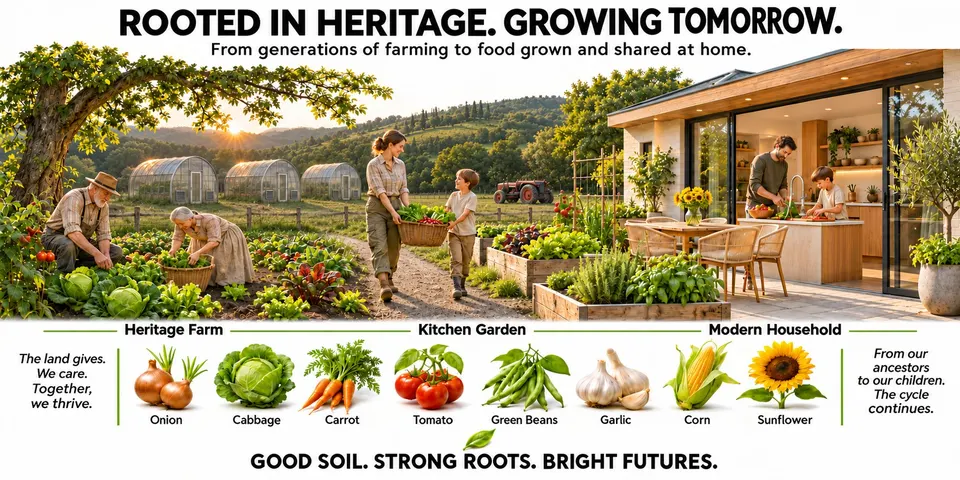
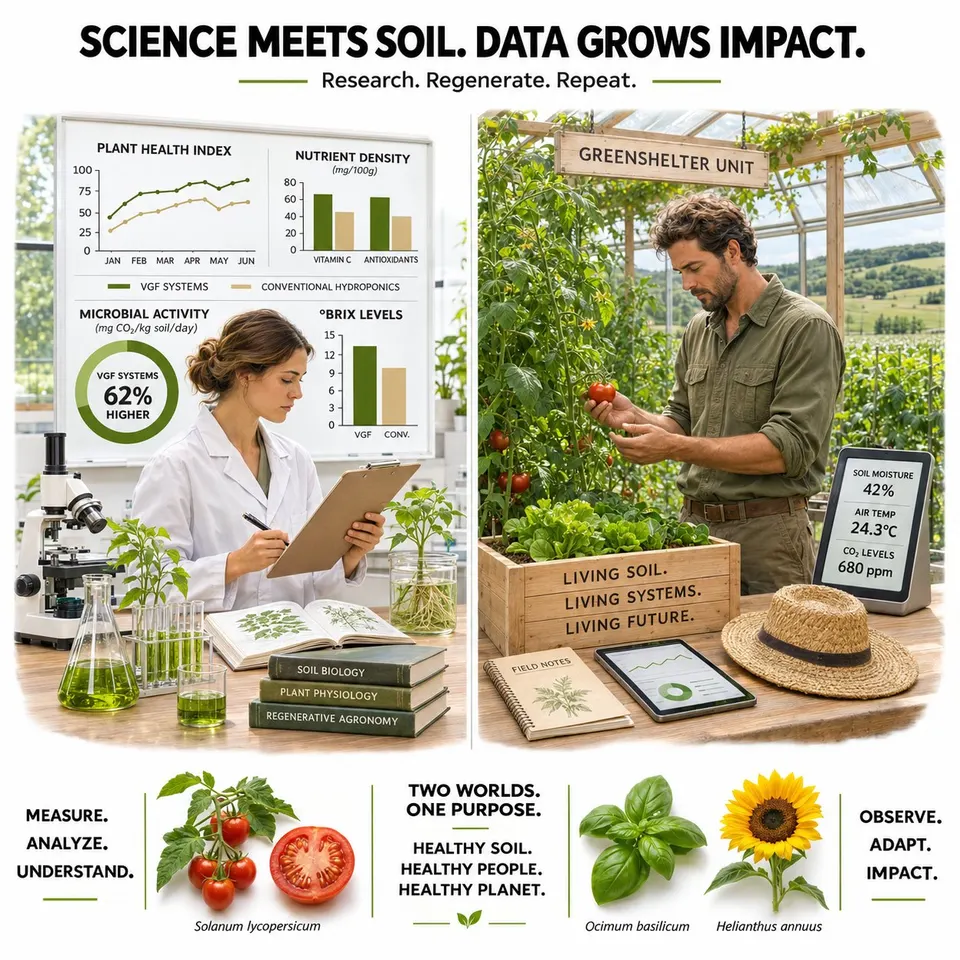
We started as a spin-out from Telefónica's innovation ecosystem in Spain. We bring 40 years of biological production knowledge together with 12 years of precision technology, and we work across Europe, the Americas and the Gulf.
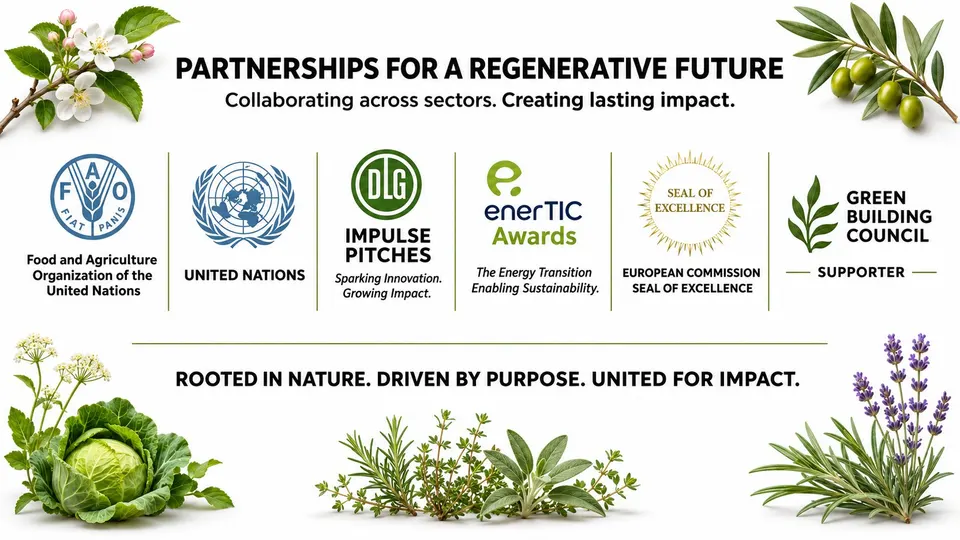
- RecognisedUN FAO
- WinnerEnertic AwardsSmart Sustainability
- NominatedDLG Impulse Pitches
- ResearchUniversitiesEurope, Latin America, Canada
Our brands
One company. Several brands.
Our product brands keep their names and sit under Kalu Agritech.
Software
CoFarmer
Runs and records every batch. Trust Suite tracks each lot from source to delivery.
cofarmer.ai ↗ Plant physiologySyntheflora
AI agents that read live plant physiology and explain what it means.
syntheflora.com ↗ EducationHeyPlant
Live plant signals for classrooms, museums and science centres.
hey-plant.com ↗Communities
Victory Garden Farming
Closed-loop gardens for schools, kitchens and neighbourhoods.
Site coming soonRequest a briefing
Tell us what you need.
Share the species, the volume and the use, and we'll come back with a plan.