Food and beverage
Natural colors run short.
Large confectionery and snack makers are moving to natural colors, and they name the limited supply of natural dyes as a hurdle. [3] [4]

Controlled biological production infrastructure
Kalu Agritech produces high-quality biomass and extracts from botanicals, microalgae, mushrooms and saffron, for food, nutraceuticals and medical precursors. Every batch grows in controlled biological production infrastructure, so the quality stays the same from one batch to the next.
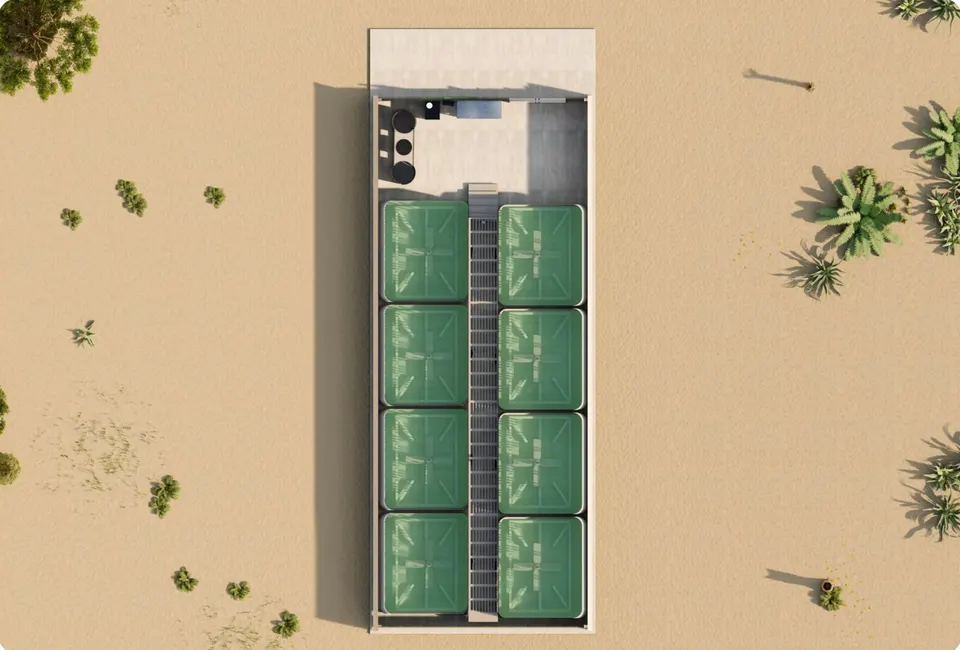
The problem
Heat, rain, pests and a change of supplier all leave their mark on an ingredient. Food, pharmaceutical and nutraceutical companies pay for it in failed batches, recalls and gaps in supply.
Food and beverage
Large confectionery and snack makers are moving to natural colors, and they name the limited supply of natural dyes as a hurdle. [3] [4]
Pharmaceutical
The FDA calls consistency across batches one of the critical issues in botanical drug development. [6]
Nutraceutical
A 2023 study found microcystins, a toxin from other algae, in all five retail spirulina products it tested. [5]
Try it · illustration
An illustration of the idea, not measured data. The shaded band is the range a culture needs.
The platform
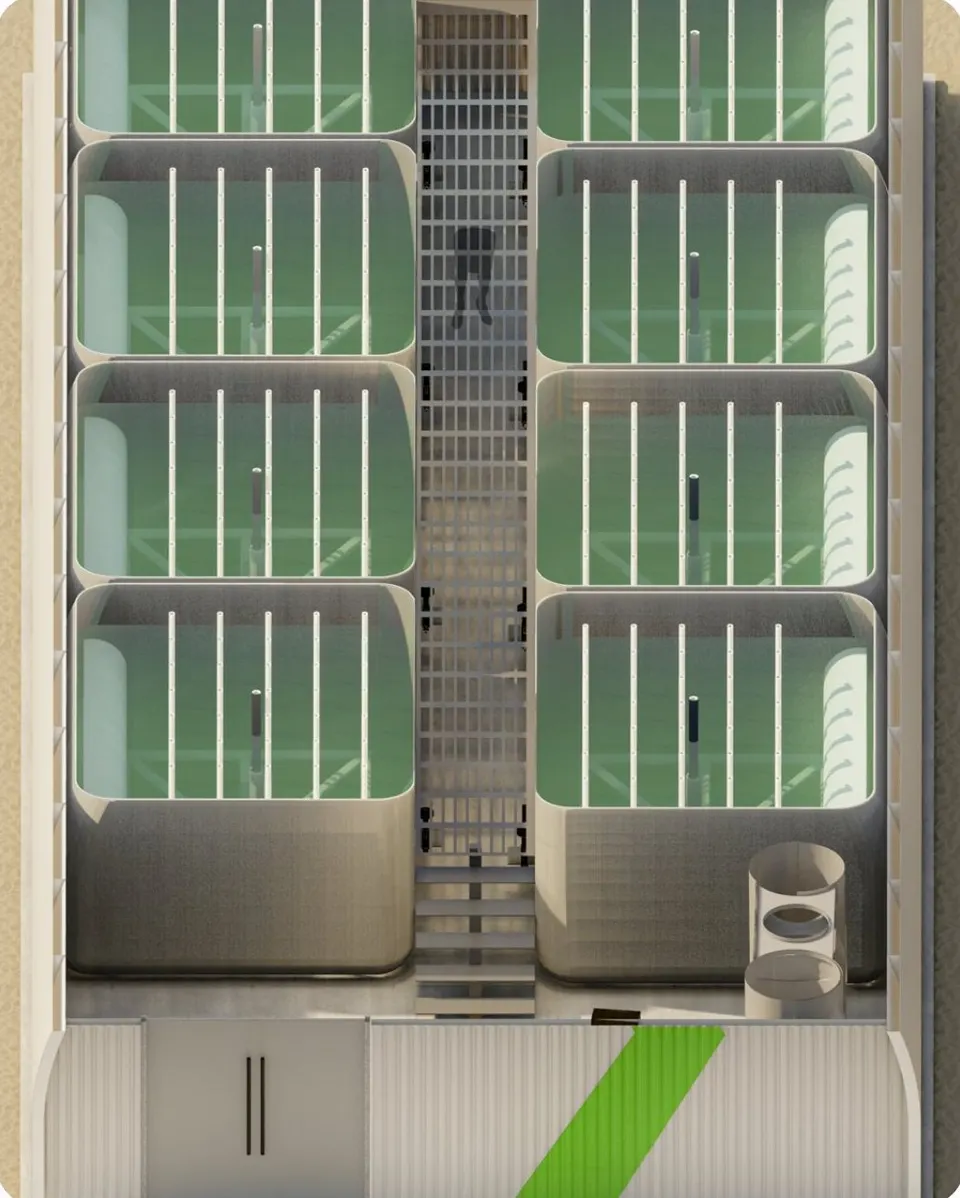
We designed every layer ourselves, from the enclosure to the software.
Closed bioreactors for microalgae.
Technological greenhouse enclosures, fitted with growing systems we adapt to each species, GrowBlock among them. Botanicals, mushrooms and saffron each get the conditions they need.
Runs and records every batch. Its Trust Suite tracks each lot of biomass from source to delivery.
The platform at work
In Oman, GreenSphere will sit beside a waste-to-energy plant. The CO₂ from its stacks feeds the microalgae instead of the sky. Drag the handle to compare.

 BeforeAfter
Inside a GreenSphere
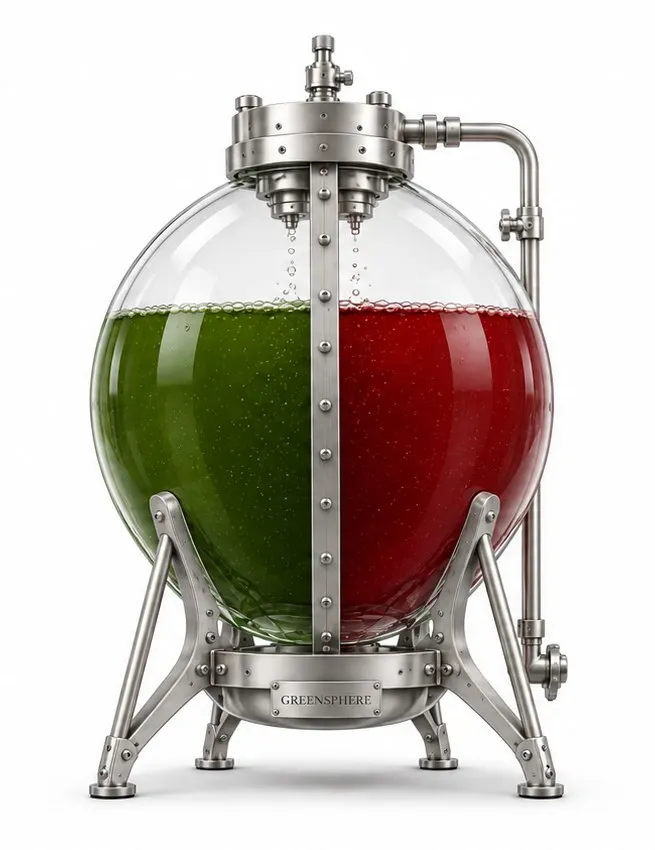
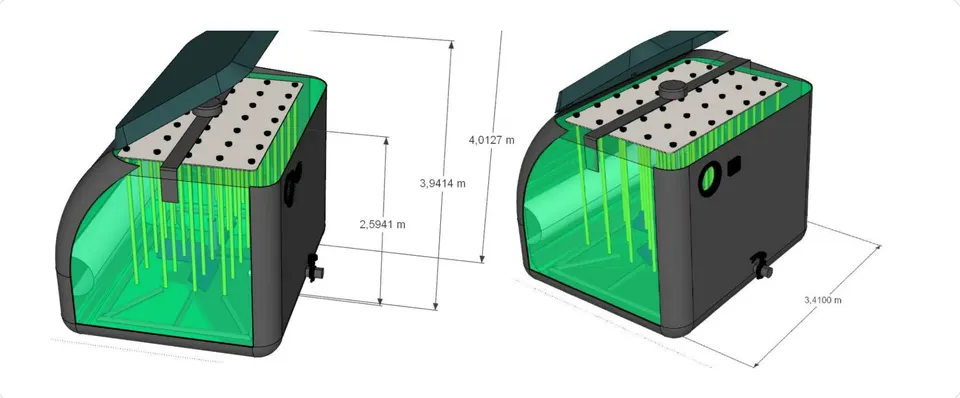
A GreenSphere is a closed photobioreactor. CoFarmer keeps five conditions in range for the whole batch. Tap a point on the drawing.
Light
An LED array gives each strain the light intensity it needs, on a set day and night cycle.
Every reading goes into the batch record, with strain origin, dates, processing method and compound profile.
GreenSphere in numbers
How a batch runs
Step 01
GreenSphere bioreactors and GreenShelter enclosures keep out the weather, pests and contaminants an open field lets in.
GreenSphere bioreactors and GreenShelter enclosures keep out the weather, pests and contaminants an open field lets in.
Every batch grows under the same controlled conditions, so the quality stays the same from one batch to the next.
CoFarmer runs and records every batch, from its first day.
CoFarmer Trust Suite tracks each lot of biomass from source to delivery.
Each lot ships with its purity data and its batch record.
Lot
SP-0418
Spirulina biomass · GreenSphere module 3
Batch day6of 10
Closed loop
Our systems feed each other. What one step gives off, the next one uses.
Carbon dioxide from plants and nearby industry feeds the microalgae.
In light, the algae turn water and CO₂ into biomass and oxygen.
The biomass becomes ingredients, extracts and biostimulants.
What is left becomes soil amendments for plants.
Treated water goes back to the bioreactors.
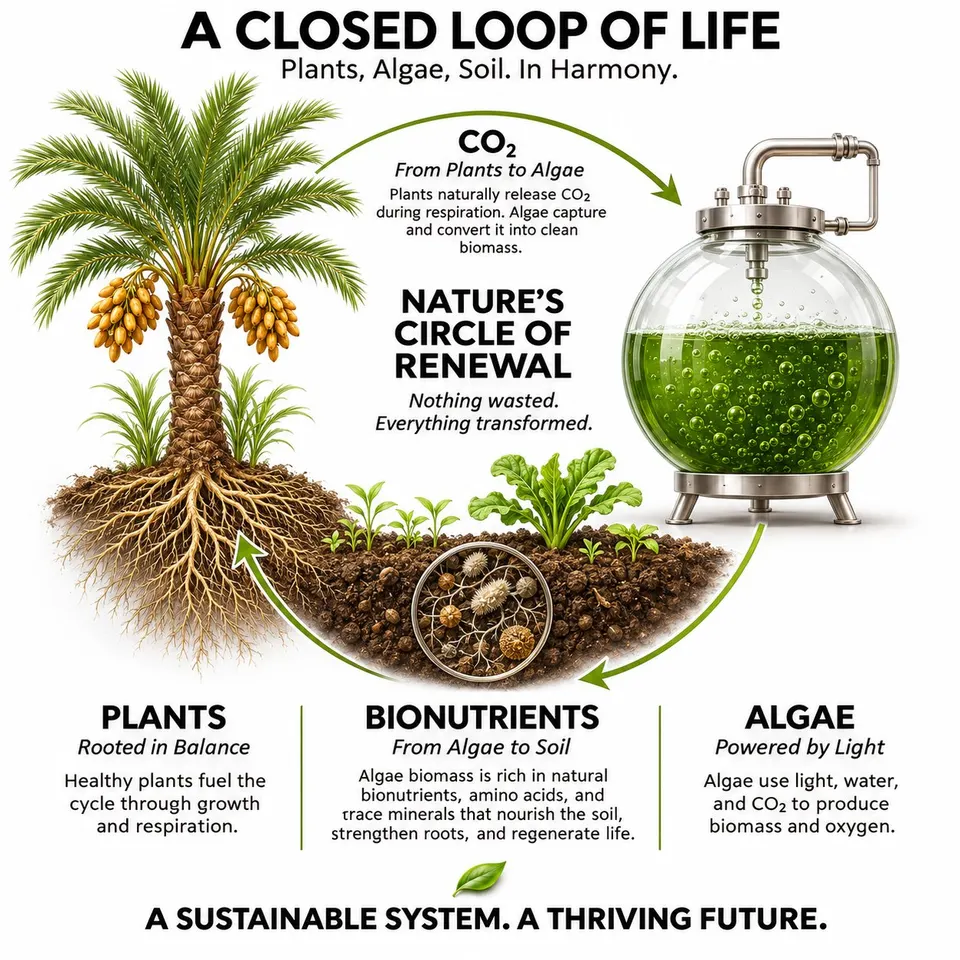
What our systems produce
What each product is, why we grow it, and where it goes.
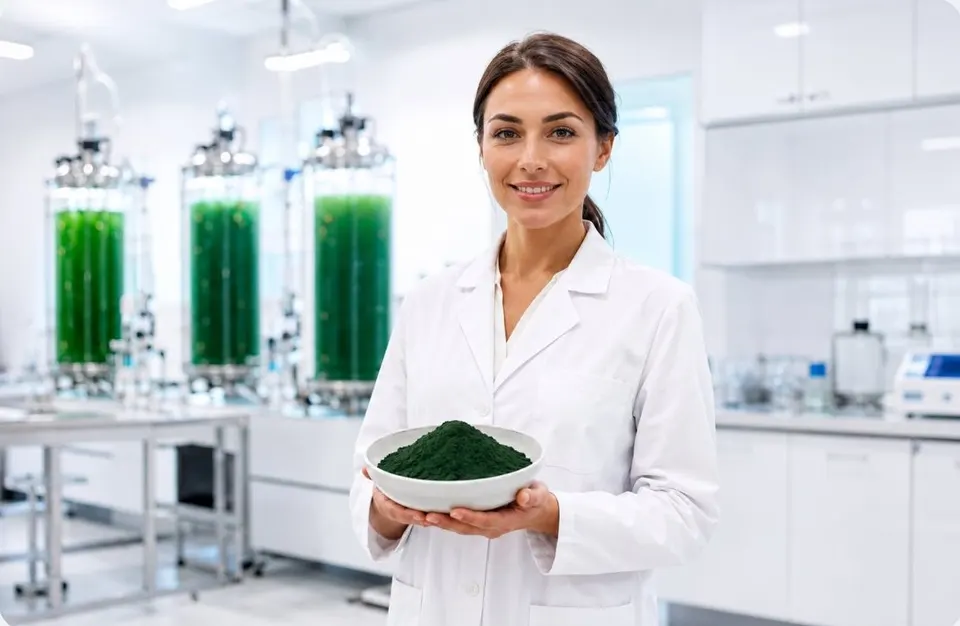

Arthrospira platensis
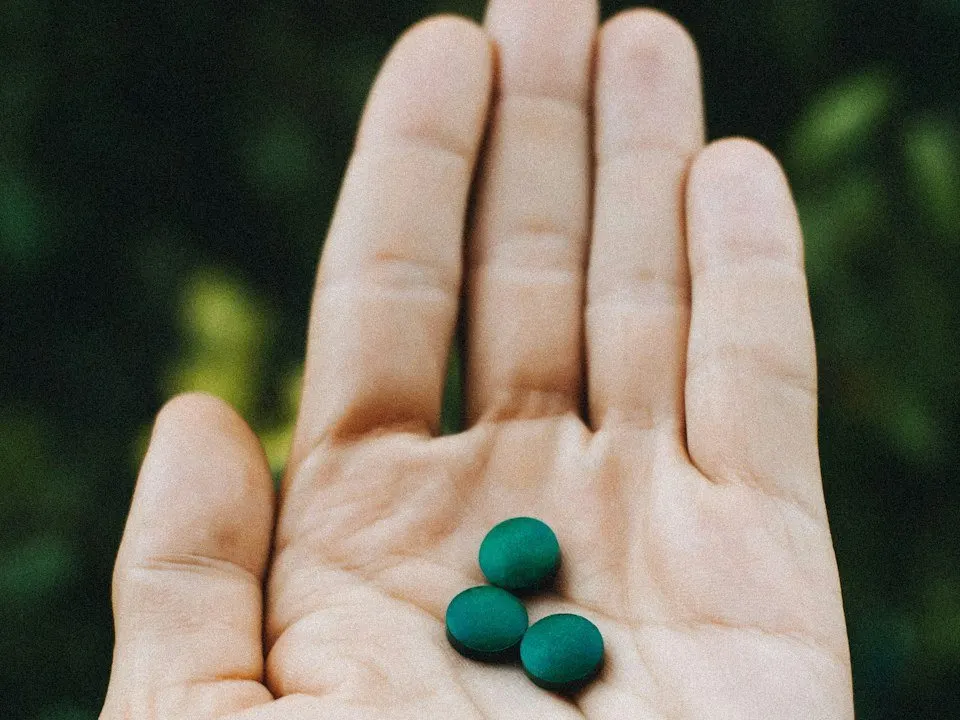
Chlorella vulgaris

Tagetes erecta
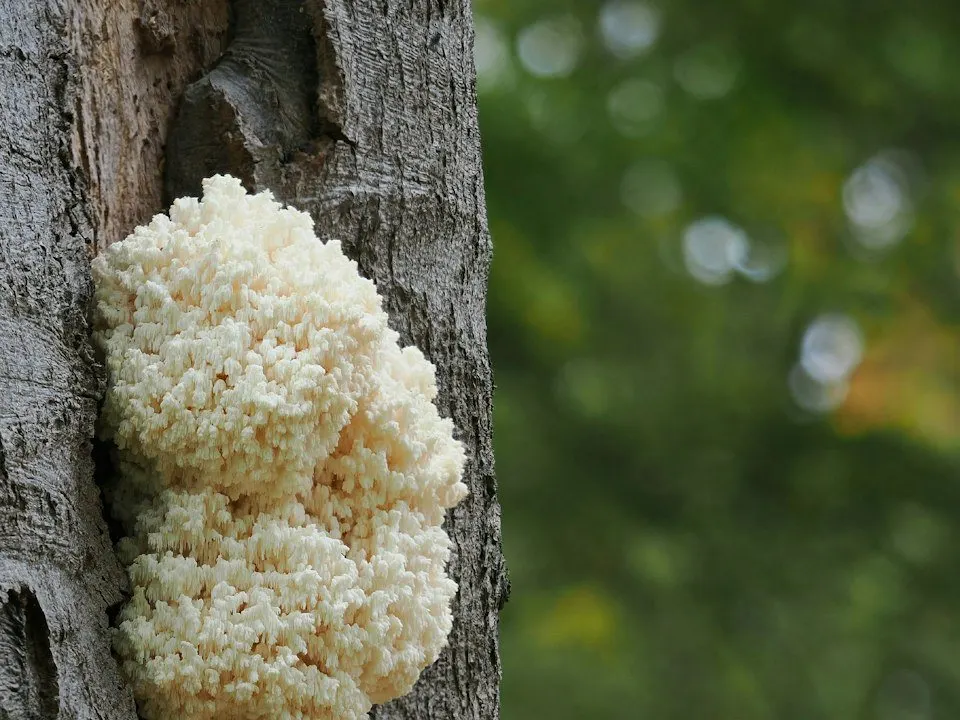
Hericium erinaceus
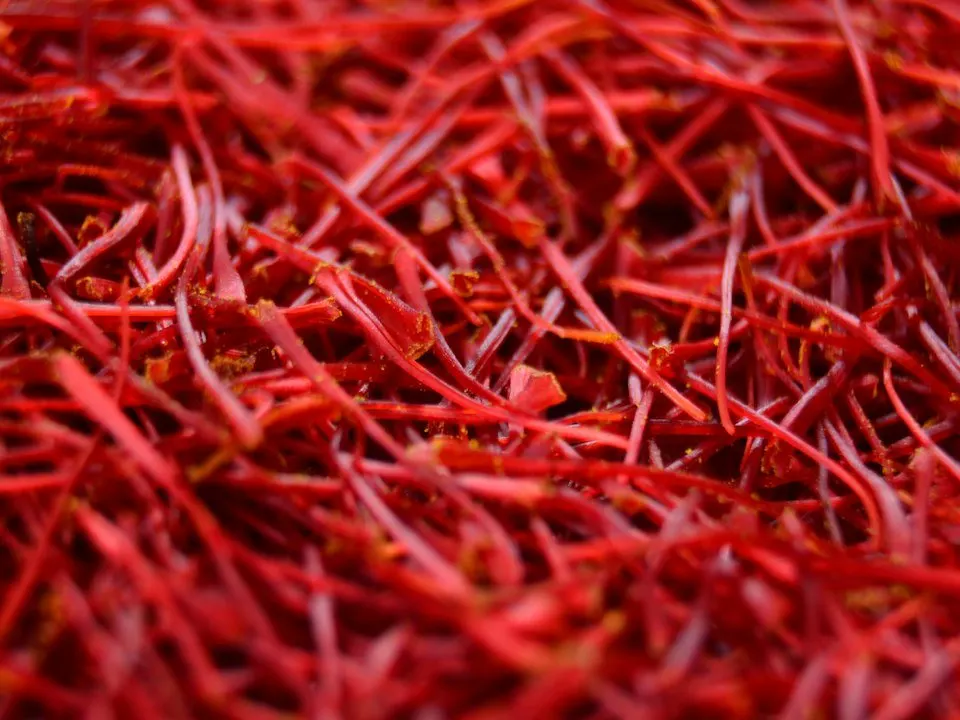
Crocus sativus
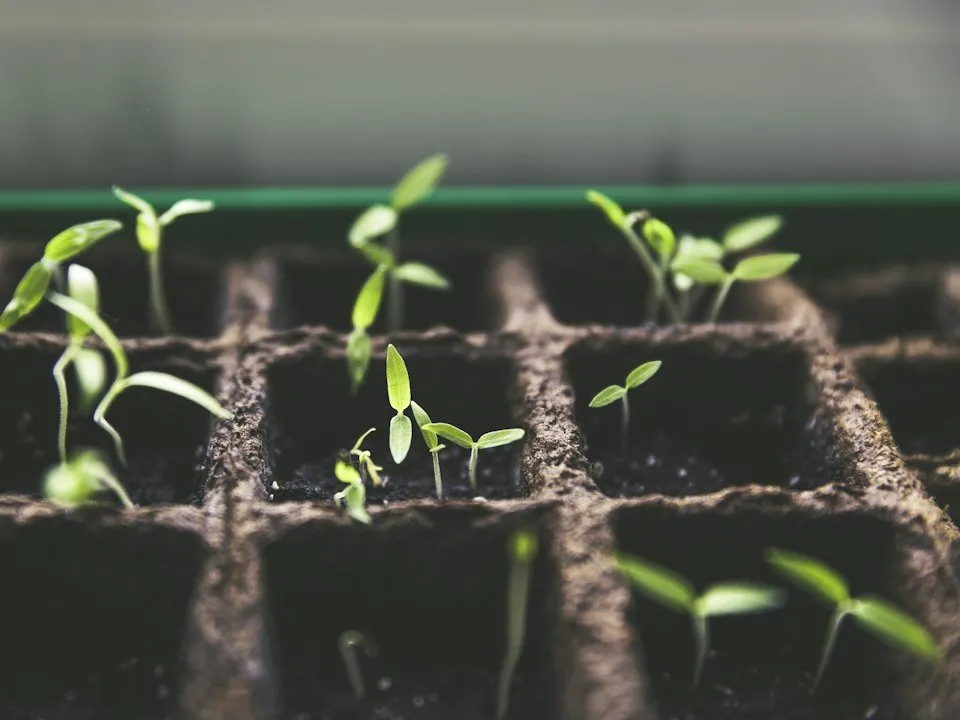
Chlorella-based
Microalgae in detail
Arthrospira platensis
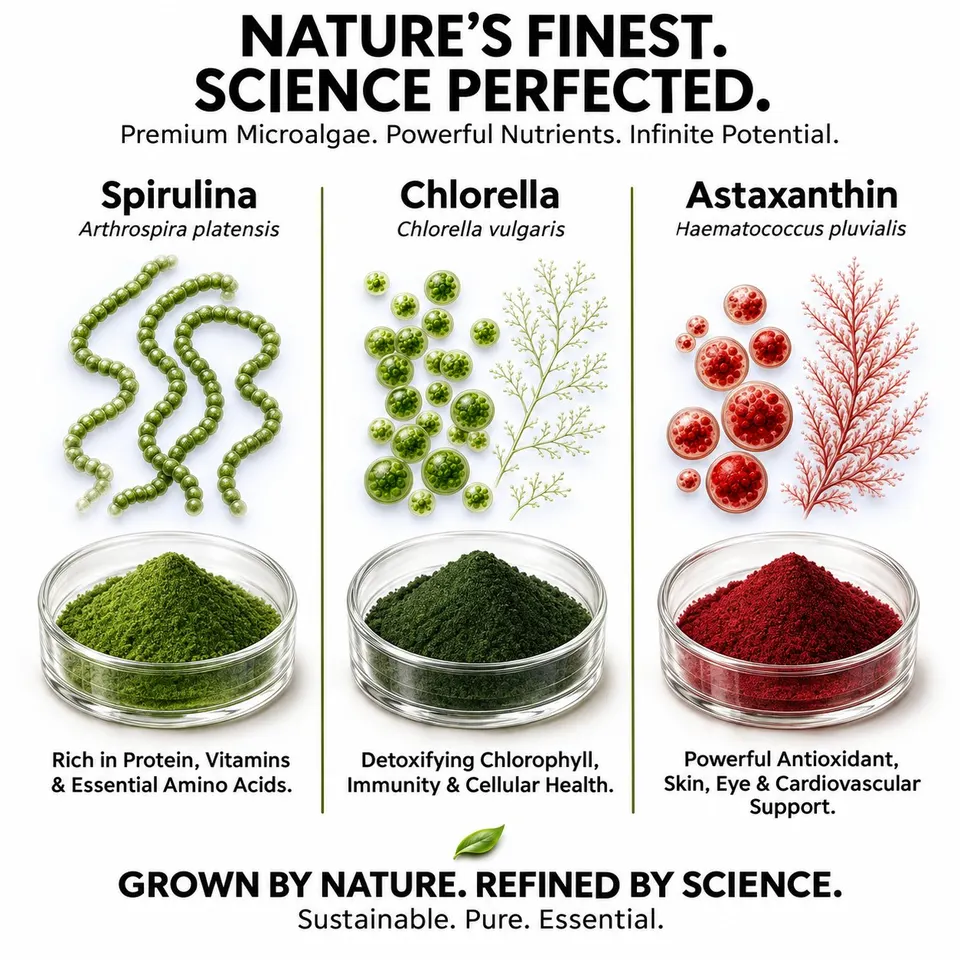
Applications
Our facilities
Our office in Madrid.
A facility for botanicals and mushrooms.
Coming 2027: a waste-to-energy facility growing high-quality microalgae biomass.
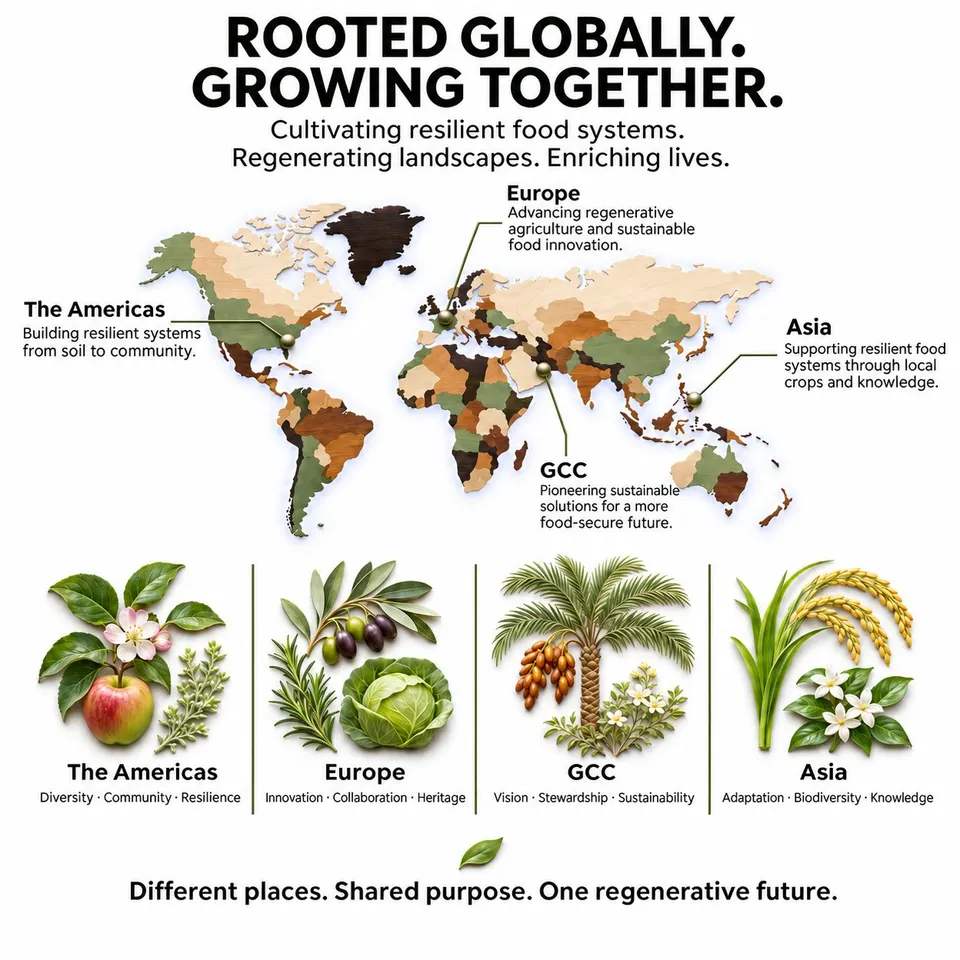
Our offices
Headquarters, research partners and our first systems.
Gran Vía 50, 3 derecha, 28013 Madrid, SpainPartner projects and university research in Latin America and Canada.
95 Merrick Way, Coral Gables, Florida, USAAustralasia: coming soon.

The name
In Guna tradition, kalu means a fortress or a wall, a place that guards the order of life. [7] We took the name because our systems do the same for what grows inside them. The Guna artist Kantule drew the mola artwork in our logo.
Original artwork by Kantule.
“All of them are guardians of the order of God. They are very necessary. If there were no Kalu, we would not be here.”
One name
Kalu Agritech has been our legal name from the start. Vertical Green Farming was our commercial name. The team, the systems and the contracts stay the same. The company is led by its co-founders, Tabatha Siu-Taminez and Carlos Taminez.
Our story
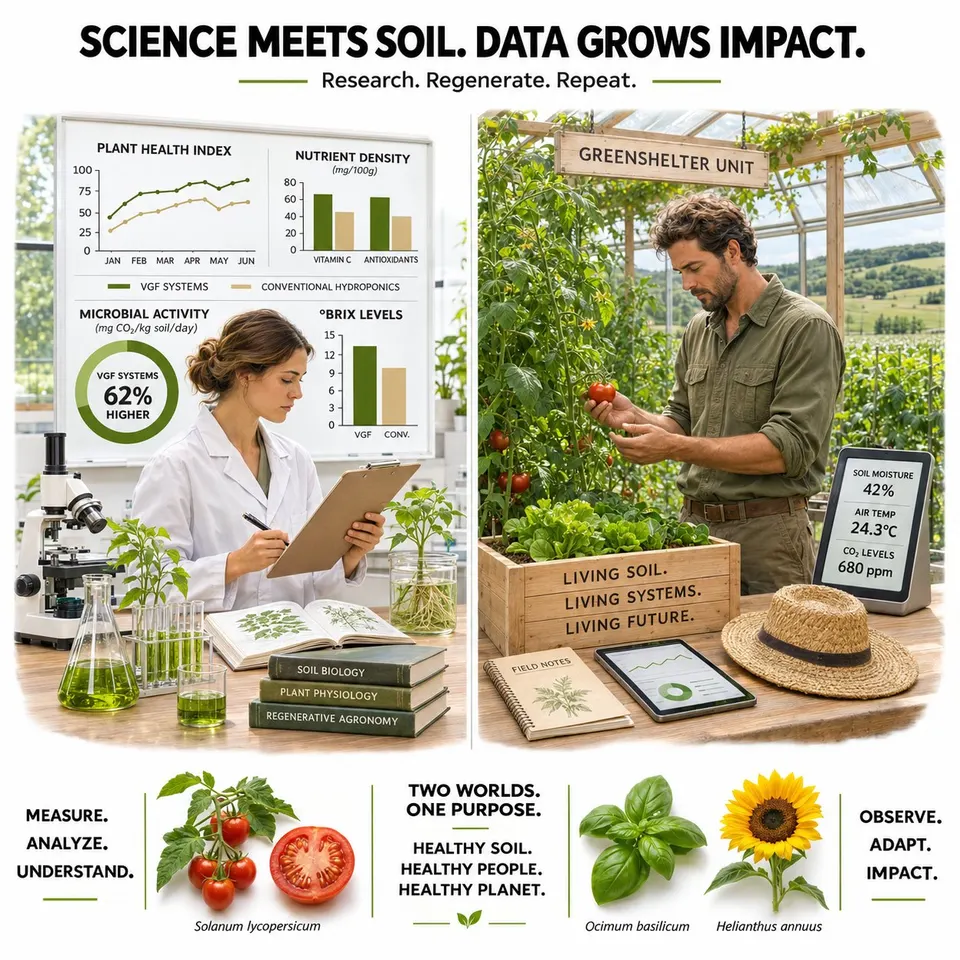
We started as a spin-out from Telefónica's innovation ecosystem in Spain. We bring 40 years of farming knowledge together with 12 years of precision technology, and we work across Europe, the Americas and the Gulf.
Our brands
Our product brands keep their names and sit under Kalu Agritech.
Runs and records every batch. Trust Suite tracks each lot from source to delivery.
cofarmer.ai ↗ Plant physiologyAI agents that read live plant physiology and explain what it means.
syntheflora.com ↗ EducationLive plant signals for classrooms, museums and science centres.
hey-plant.com ↗Closed-loop gardens for schools, kitchens and neighbourhoods.
Site coming soonRequest a briefing
Share the species, the volume and the use, and we'll come back with a plan.